
Snake and Rabbit Compatibility: No Zodiac Tie, One Famous Folk Promise
Here is the twist most compatibility sites miss: across the seven standard branch schemes this site checks, Snake (巳) and Rabbit (卯) have no direct pairwise relationship — not a harmony, not a clash, not a harm, nothing. And yet a much broader folk image — 蛇盘兔, “snake coiling rabbit” — came to be read, later and popularly, as a lucky marriage sign, through four words: 蛇盘兔,必定富 — “snake coils around the rabbit, wealth is sure to follow.”
The motif itself was never confined to people born under those two zodiac signs: it belonged to wedding paper-cuts, fertility symbolism and even burial lore. This article follows it to the places it actually lived — a lucky grave omen a Ming scholar openly doubted, and a paper-cut motif still cut today — and shows how modern zodiac-compatibility writing often takes that broad folk charm and applies it specifically to “Snake-Rabbit compatibility.” The branch system has no pairing for these two signs; the folk image is doing all the work.
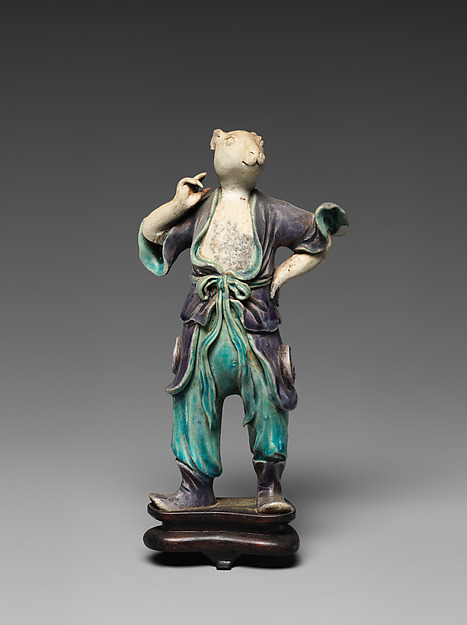
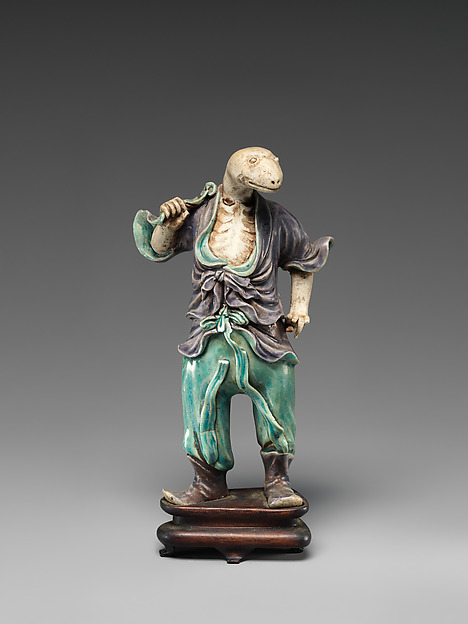
First, the part the rankings get wrong: there is no tie
Run Snake (巳) and Rabbit (卯) against the seven branch schemes this site checks for every pairing, and the row comes back empty. They are not Six Harmonies partners, not in the same Three Harmonies trine (Snake sits in the metal trio 巳酉丑, Rabbit in the wood trio 亥卯未), not in the same seasonal Three-Meetings group, and no clash (六冲), harm (六害), punishment (刑) or break (破) rule connects them. Of all 66 possible sign pairs, Snake-Rabbit is one of the plain ones with no direct pairwise tie in any of the seven. It is not that Rabbit is short of real ties — Rabbit’s own Six Harmonies partner is the Dog (卯戌), traced in full on Rabbit and Dog compatibility — but Snake does not connect to Rabbit in any of the seven schemes checked here.
That matters because the English compatibility pages that score this pair at “70%” or “a cautious match” are improvising a personality story over an empty branch row. The honest formal answer is: the seven standard schemes checked here record no pairing between Snake and Rabbit either way. Which makes the one thing folk imagery did attach to them all the more interesting.
“Snake coils rabbit, wealth is sure” — a picture, not a rule
The saying 蛇盘兔,必定富 is still repeated across Shanxi, Shaanxi and the wider north as a mark of a prosperous match. It does not come from a branch calculation — it comes from an image: a snake and a rabbit curled together, the snake’s long body looping around the smaller animal. Folk-art sources read that image several ways at once — the joining of male and female, fertility and the continuity of a family line, and plain wealth — and this site’s companion piece on the zodiac marriage rhymes covers how it sits as the odd one out among sayings that otherwise encode real branch rules. What that article leaves room for is the stranger half of the 蛇盘兔 story: the same four characters were also a rule for choosing a grave.
The other 蛇盘兔: a grave omen a Ming scholar already questioned
Alongside the marriage sense ran a second folk use, caught in a parallel saying — 蛇盘兔,要打墓, roughly “where a snake coils a rabbit, dig the grave there.” Geomancers north of the capital treated the sight of a snake and a rabbit sharing a spot of ground as a sign of excellent burial land.
The documentary anchor is sharp and early. The Ming official Ye Sheng (叶盛, 1420–1474) recorded the custom in his notebook Shui Dong Ri Ji (水东日记), later taken into the imperial Siku Quanshu: north of Juyong Pass, he wrote, people 择葬地以蛇盘兔为上 — judged burial ground best when a “snake coiling rabbit” could be verified on it — and he named a real example, the Marquis of Changping’s choice of ground for burying his mother. Ye Sheng then offered a naturalistic alternative. The reason the two animals turn up together, he reasoned, is simply that 地气温暖,二物皆穴焉 — the earth-energy there is warm, so both snake and rabbit den in it — and their meeting is 偶相值而相持,亦适然耳, just a chance encounter, nothing more.
That is the quietly remarkable part. A fifteenth-century scholar looked at a locally prized burial omen and offered a flatly naturalistic account of it: the warm ground there suits burrowing animals, so a snake and a rabbit crossing paths may simply be accidental. The broader 蛇盘兔 image long outlived his skepticism — even as its meanings shifted across burial lore, wedding imagery and later auspicious folk art — a reminder that “ancient tradition” and “everyone always believed it” are not the same thing.
Why a snake and a rabbit? The paper-cut behind the words
The saying travelled on an image as much as on speech. 蛇盘兔 is a well-attested and still-used northern folk paper-cut (剪纸) motif — a composition with the snake’s and rabbit’s heads turned toward each other and the snake’s body coiled around the rabbit, pasted up at weddings and on new-year windows. Folklorists in northern Shaanxi record it explicitly as a fertility charm: the coiled snake and the rabbit together stand for union and for 人丁兴旺, a house full of children. It belongs with other wedding paper-cuts of the same wish — 麒麟送子, 莲生贵子 — rather than being tied to a couple born specifically under those two zodiac signs.
One important folk-art reading extends the 富 of 必定富 beyond material wealth toward increase in the family line — fertility, descendants, a flourishing household — while other uses keep the more literal wish for prosperity; both senses are still current. The lunar gloss some sources add (the snake’s loop as the round moon, the rabbit as the 玉兔 or jade rabbit who lives in it) is folk attribution layered on later, recorded as imagery rather than as the motif’s proven origin. The point for a modern reader is that Snake-Rabbit “compatibility” was never a branch verdict at all — it is a broad folk charm that modern zodiac-matchmaking writing often narrows to a specific Snake-Rabbit pairing.
One practical check before you read yourself into this
If you are matching a real Snake and Rabbit, confirm the two signs first — the zodiac year turns at Lunar New Year, not January 1, so a January or early-February birthday can belong to the previous animal year. The most recent Snake year (2025, 乙巳) began on January 29, 2025; the one before (2013, 癸巳) began on February 10, 2013. The most recent Rabbit year (2023, 癸卯) began early, on January 22, 2023. A birthday in that January–February window should be checked against the exact boundary on the compatibility calculator before you decide whether 蛇盘兔 even applies.
Snake and Rabbit: FAQ
Are Snake and Rabbit compatible in the Chinese zodiac?
Across the seven standard branch schemes checked here, Snake (巳) and Rabbit (卯) are neither a harmony pair nor a clash, harm, punishment or break pair, and they do not share a Three-Harmonies or Three-Meetings group — no direct pairwise relationship either way. So the classical answer is neither compatible nor incompatible, simply unpaired. Their fame as a match comes from a broader folk image, 蛇盘兔, that modern zodiac-matchmaking writing often applies specifically to Snake-Rabbit couples.
What does 蛇盘兔 (snake coiling rabbit) mean?
It is a folk image of a snake curled around a rabbit. The saying 蛇盘兔,必定富 (snake coils rabbit, wealth is sure) reads it as a lucky, prosperous and fertile match, and 蛇盘兔 is a popular wedding and new-year paper-cut motif in north China. It is folk imagery, not a branch-relationship rule.
Why would a snake and rabbit mean good burial land?
A parallel northern saying, 蛇盘兔要打墓, treated the sight of a snake and rabbit sharing ground as a sign of excellent grave land. The Ming scholar Ye Sheng recorded the custom in Shui Dong Ri Ji and then explained it naturally: the warm earth there suits both burrowing animals, so their meeting is coincidence, not an omen.
Is 蛇盘兔 ancient, and is it true?
The burial-geomancy use is documented at least as early as the fifteenth century: the Ming scholar Ye Sheng recorded it in Shui Dong Ri Ji. That source does not date the marriage saying or the paper-cut tradition to the same period, so those layers should be dated separately. And documented is not true: Ye Sheng himself rejected the omen, reasoning that warm ground suits both animals, so their meeting may simply be accidental. It is cultural heritage worth knowing, not a prediction about a real couple.
Keep reading
Editorial note
Sources are separated by claim. The no-relationship finding for Snake (巳) and Rabbit (卯) is computed from the standard branch definitions and cross-checked against this site’s Six Harmonies and enemies-and-friends reference pages. The 蛇盘兔 marriage saying (蛇盘兔,必定富) and the paper-cut motif (a well-attested, still-used northern 剪纸 recorded in Shanxi and Shaanxi, read as a fertility charm for 人丁兴旺, and grouped with other wedding paper-cuts such as 麒麟送子 / 莲生贵子) are documented in Chinese folk-art scholarship. The burial-geomancy use (蛇盘兔要打墓 / 择葬地) and its early debunking are from the Ming official Ye Sheng’s Shui Dong Ri Ji (水东日记, later in the Siku Quanshu) — 居庸以北…择葬地以蛇盘兔为上…地气温暖,二物皆穴焉,偶相值而相持,亦适然耳 — confirmed against this site’s distilled culture library and multiple public folk-culture sources. The lunar/jade-rabbit reading is noted by folk sources as later attribution (民间附会) and is presented here as imagery, not proven origin. Lunar New Year dates are from this site’s own verified calendar table. This article explains a folk tradition for interest and education; it is not a prediction, and not medical, financial, or relationship advice.