
Dragon and Ox Compatibility: One Traditional Break, and Why Its Explanation Is Disputed
Dragon and Ox are not a blank pairing. Run against the seven standard branch schemes this site checks, they touch in exactly one — the Six Breaks (相破), where Dragon (辰) and Ox (丑) are a named pair. Within the seven schemes this page checks it is their only direct tie. Some BaZi interpretations treat a “break” as a subtler, less head-on kind of friction than an open clash — but how much weight to give it depends on the whole chart and on the tradition doing the reading, not on any fixed ranking.
Many English compatibility pages note the break, hang a percentage on it, and then retell the same temperament story — the visionary, high-wattage Dragon against the patient, slow-burning Ox, both too stubborn to bend. That character sketch is a modern overlay. The more interesting question those pages skip is where the break even comes from — and the honest answer is that the classical texts record the pairing without settling its cause. This page runs the pair against all seven schemes, then separates what the old texts actually state from the explanations added later.
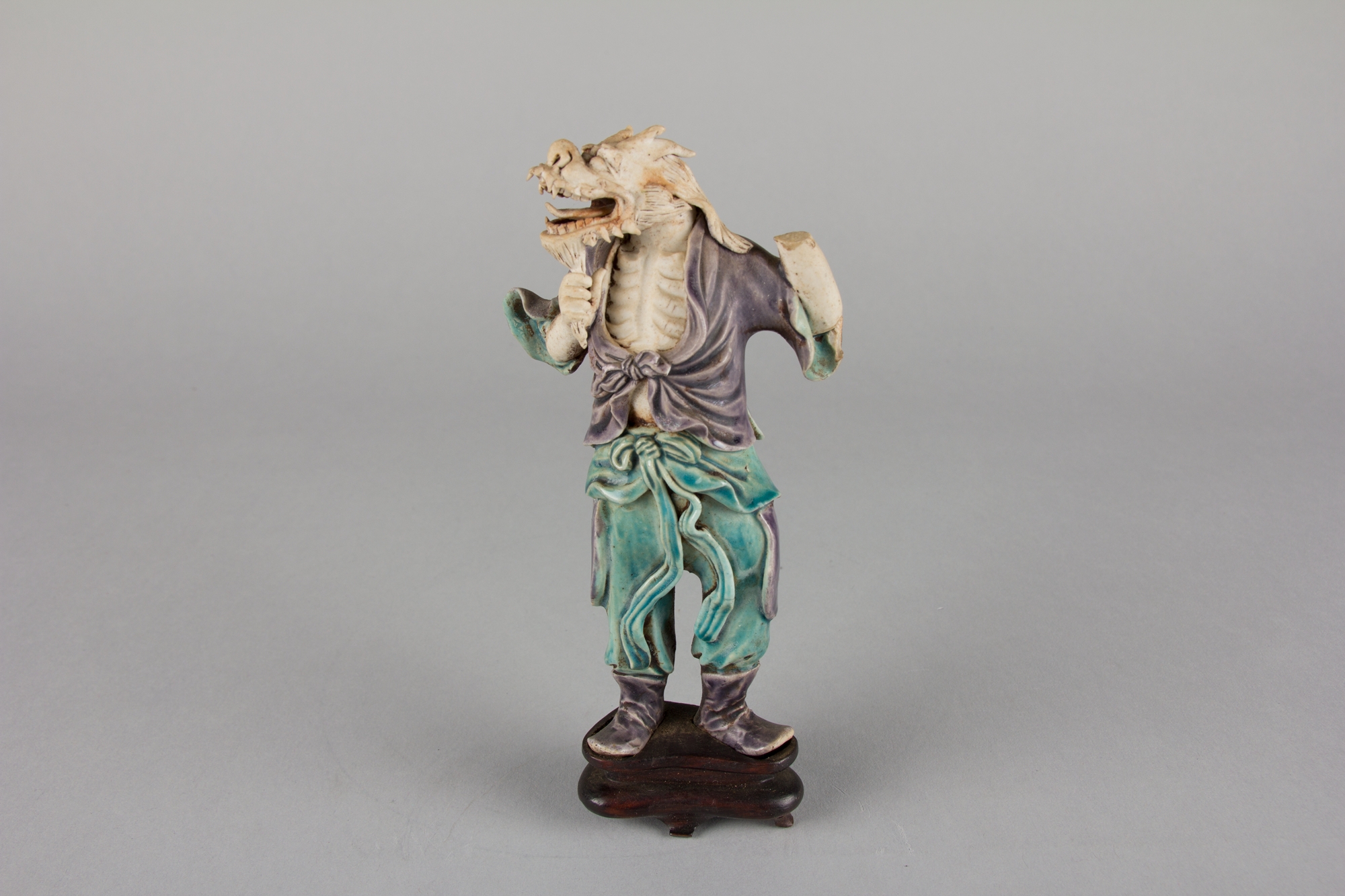
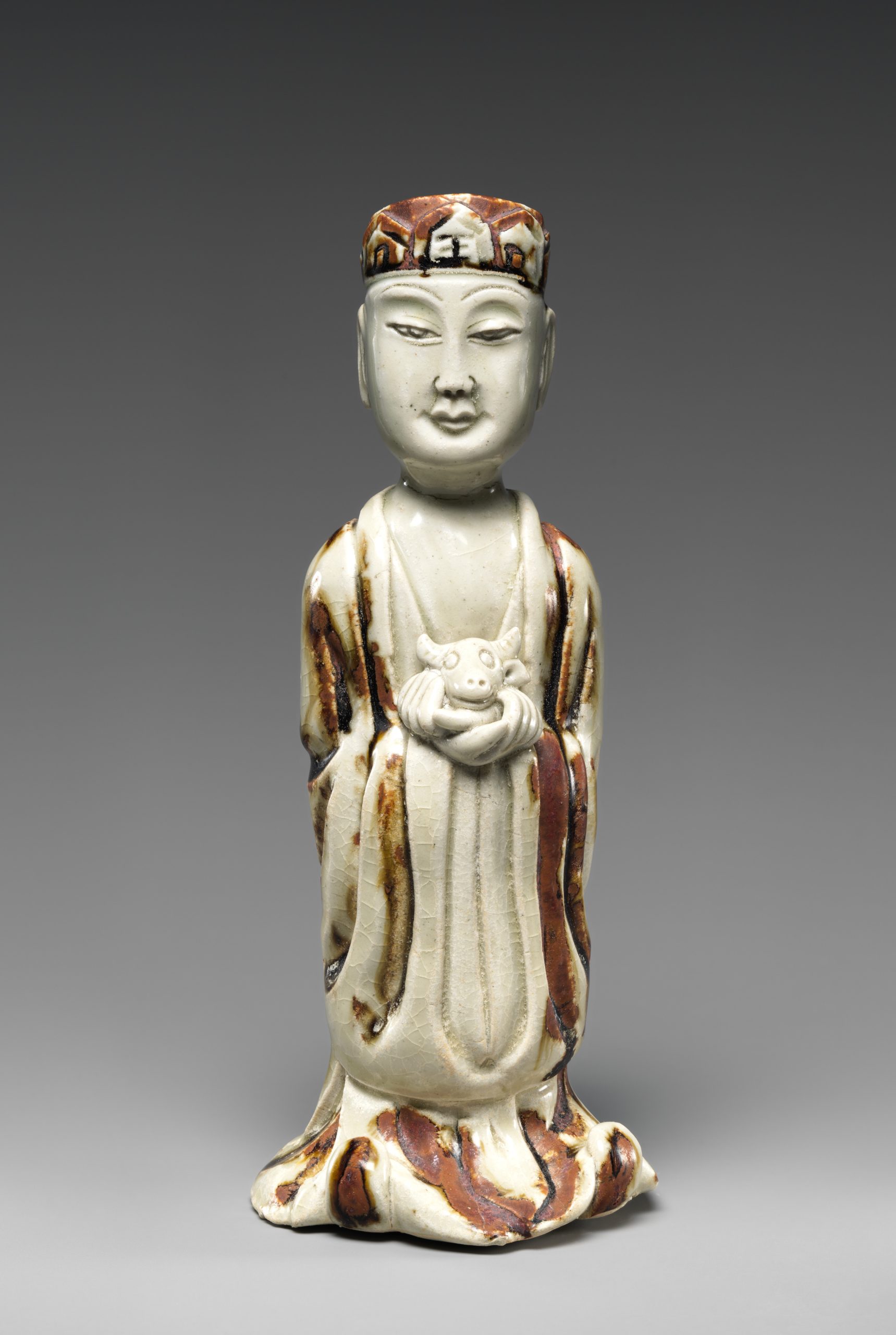
One tie across the seven schemes: a Mutual Break
Each zodiac animal maps to one of the twelve Earthly Branches (地支), the markers used in the traditional calendar and in BaZi — the birth-chart method read from a person’s year, month, day, and hour. Words like “harmony,” “clash,” “harm,” and “break” are the technical labels classical texts attach to particular branch pairings. They describe a structural relationship between two calendar signs. Here is Dragon (辰) and Ox (丑) run against the same seven branch schemes this site applies to every pairing page.
| Branch relationship scheme | Names Dragon + Ox? | Where each sign actually sits |
|---|---|---|
| Six Harmonies (六合) | No | Dragon pairs with Rooster (辰酉合); Ox pairs with Rat (子丑合) — two different harmony couples |
| Three Harmonies (三合) | No | Dragon belongs to the water trio 申子辰 (Monkey-Rat-Dragon); Ox belongs to the metal trio 巳酉丑 (Snake-Rooster-Ox) — two different trines |
| Three Meetings (三会) | No | Dragon sits in the spring group 寅卯辰 (east / wood); Ox sits in the winter group 亥子丑 (north / water) — different seasons, different groups |
| Six Conflicts (六冲) | No | Dragon clashes with Dog (辰戌冲); Ox clashes with Goat (丑未冲) — neither names the other |
| Six Harms (六害) | No | Dragon’s harm partner is Rabbit (卯辰相害); Ox’s is Horse (丑午相害) |
| Punishments (刑) | No | Ox sits in the 丑戌未 punishment set (with Dog and Goat); Dragon is a self-punishment branch (自刑, the 辰午酉亥 group) — neither set names the other |
| Mutual Breaks (相破) | Yes | Dragon and Ox are a named break pair (辰丑相破) — the one direct tie between them |
How later interpretations explain the Dragon–Ox break
What the classical texts say here is more interesting — and more divided — than the tidy explanations that circulate online. An older positional rule, quoted by the Qing compendium Xieji Bianfang Shu from the Dongyuan Jing, runs 對七為衝,隔三為破 (“seven apart is a clash, three apart is a break”), and under it 辰 (Dragon) comes out breaking 丑 (Ox). But the Xieji compilers neither simply accept nor simply record that pairing — they dispute it. They first note the rule’s meaning is unclear (其義未詳也), then give their own reading, tracing “隔三為破” to the 魁罡 (kuígāng) and 破軍-star imagery and arguing that later interpreters who turned it into fixed pairs like 辰破丑 and 亥破寅 失其旨矣 — “lost its original point.” So a major Qing compendium actively questions the 辰破丑 derivation rather than endorsing it.
A Ming-dynasty classic records the pairing the other way. The Sanming Tonghui, in its 論破煞 section, lists Ox and Dragon plainly among the breaks — 卯與午,丑與辰,子與酉,未與戌,皆相破 — but it counts only four pairs, not the six of the table usually copied online, dropping 寅申巳亥 on the ground that those branches “break in principle yet form Three-Harmonies, so are not taken” (惟寅申巳亥原破,卻三合,故不取). Put side by side, the two texts are the real find here: one Ming source documents 辰丑 as a recognized break, while a Qing source questions the very derivation behind it — and they do not even agree on how many break pairs there are. The Dragon–Ox break is genuinely attested in the tradition; what the tradition never settled is why it holds, or exactly which pairs the rule should yield.
Later interpreters try to fill that gap, and the version repeated most often online is a storehouse reading. The twelve branches fall into three families of four, by the role each plays in the cycle:
- The four “growth” branches — 寅申巳亥 (Tiger, Monkey, Snake, Pig), the openers of each season.
- The four “peak” branches — 子午卯酉 (Rat, Horse, Rabbit, Rooster), the midpoints, sometimes called the “flower” or peak-energy signs.
- The four “storehouse” branches — 辰戌丑未 (Dragon, Dog, Ox, Goat), the Earth signs that close each season and are read as storage, or tomb, branches.
Dragon (辰) and Ox (丑) are both storehouse branches — both Earth, both closers, both read as “stores” in the three-harmony system. In the Three Harmonies, 辰 is the storehouse of the water trine 申子辰 (its water “tomb”), while 丑 is the storehouse of the metal trine 巳酉丑 (its metal “tomb”). That shared storehouse role is a real thing the two branches have in common, and it is one way later readers make sense of the 辰丑 break. But it is an interpretation, not the proven origin — and one widely repeated form of it is simply wrong on the five elements. Metal does not oppose Water: in the generating cycle 金生水, Metal produces Water. So “two vaults holding opposite elements” does not hold up; the shared-storehouse idea offers at most a way to think about the pairing, not the reason it was classified a break.
How to read a break — and how not to
On the year-branch layer alone — which is what a sign-to-sign pairing describes — the tradition records one friction and nothing else: no clash, no harm, no punishment, and no harmony either. That is a narrow signal. In a full BaZi reading the year branch is one of eight characters (the stems and branches of year, month, day, and hour); the day-master, the month structure, and the ten-year luck phases all carry more weight than a single year-to-year break. Two real couples who are both “Dragon and Ox” can read completely differently once the rest of the chart is in.
The practical takeaway is modest on purpose. Where a harmony pair is often read as a built-in tailwind and a clash pair as a built-in headwind, a break pair gets neither — at most a note that what the two build may want deliberate maintenance rather than being left to run itself.
First, make sure these are really the two signs
Before trusting any Dragon-Ox read, confirm both birth years actually land on Dragon and Ox — because the animal year does not turn on January 1. Under the lunar convention this site follows, it turns at Chinese New Year, a date that drifts between about January 21 and February 20 depending on the year. A birthday in January or early February can therefore belong to the previous animal, and both Dragon years and Ox years routinely cross that line.
Two recent examples of each show how the boundary bites. The 2024 Dragon year (甲辰, Wood Dragon) did not begin until February 10, 2024, so a birthday from January 1 to February 9 that year is still a 2023 Rabbit, not a Dragon. The 2012 Dragon year (壬辰, Water Dragon) opened much earlier, on January 23, 2012 — a late-January turn — so a birthday on January 20, 2012 is a 2011 Rabbit, while January 25 is already a Dragon. On the Ox side, the 2021 Ox year (辛丑, Metal Ox) began February 12, 2021: a January-or-early-February 2021 birthday reads as a 2020 Rat, not an Ox. The 2009 Ox year (己丑, Earth Ox) turned on January 26, 2009. In each case the sign for a birthday near the edge depends on the exact New-Year date for that year, not on the calendar year alone.
A second convention adds one more wrinkle: many BaZi readers start the astrological year not at New Year but at 立春 (Lìchūn, “spring begins”), the solar term near February 3–5. Lìchūn falls at a precise clock moment rather than across a whole day, so a birth right on that date depends on the hour and the place. When either person was born in January or the first half of February, settle the sign against the real year first — the compatibility hub’s calculator resolves both conventions.
Dragon’s side: the water storehouse of spring
Dragon is the fifth branch (辰); this site’s Dragon profile and Year of the Dragon page read the sign around drive, scale, and a magnetic sort of confidence. Against Ox the only branch link is the break — there is no harmony or clash between them. Dragon’s own close ties run elsewhere: its Six Harmonies partner is the Rooster (辰酉合, covered on Dragon and Rooster), and its Three Harmonies trio is the water group with Monkey and Rat (申子辰), of which 辰 is the storehouse. On the calendar, 辰 is the last month of spring — an Earth branch closing a wood season, which is part of why it reads as a “store” rather than a season-opener.
Ox’s side: the metal storehouse of winter
Ox is the second branch (丑); this site’s Ox profile and Year of the Ox page center the sign on steadiness, patience, and long methodical effort. Against Dragon there is again only the break, no other tie. Ox’s close ties are its own: its Six Harmonies partner is the Rat (子丑合, covered on Rat and Ox), and its Three Harmonies trio is the metal group with Snake and Rooster (巳酉丑), of which 丑 is the storehouse. On the calendar, 丑 is the deep-winter twelfth month — another Earth storehouse branch, the trait it shares with Dragon that later readers point to when they try to explain the 辰丑 break.
What that leaves for the actual pairing
Put together, the Dragon-Ox pairing comes to one specific, modest thing on the classical layer: a single Mutual Break — a relationship the old texts list, but whose historical explanation they themselves dispute. That is not a clash and not a harm. The site’s separate Dragon and Ox profiles describe character — Dragon ambitious, fast, and large in its plans; Ox grounded, deliberate, and slow to change course — and a reader may well recognize the friction the modern pages dwell on, two strong wills that can both dig in. But that friction is a reading laid over the branch picture. What the branches actually say is narrow and honest: one recorded break, whose historical explanation remains disputed.
Common mistakes
- Treating the break like a clash. A Mutual Break (相破) is a milder label than a Six Clash in many readings, not a head-on opposition. Dragon’s actual clash is the Dog (辰戌冲) and Ox’s is the Goat (丑未冲); the two do not clash with each other. Reading 辰丑 as “enemies” overstates what the branch tradition records.
- Trusting a percentage score. The pages that rate Dragon-Ox with a figure out of 100 are attaching a modern number to a pairing the classical tradition does not score. The break is a yes/no structural label, not a measured compatibility grade.
- Mistaking “both stubborn” for the reason. The temperament clash (visionary Dragon, methodical Ox) is drawn from the two animals’ character profiles — but it is not the branch reason, and in truth the classics never settled a branch reason for the break at all. Note too that the two are not “opposite elements”: 辰 stores Water and 丑 stores Metal, and Metal generates Water (金生水), so they are not in a five-element clash.
- Assuming an early-year birthday is that sign. The 2024 Dragon year began February 10 and the 2021 Ox year began February 12, so a January or early-February birthday can belong to the previous animal — a “Dragon” born early February 2024 is a 2023 Rabbit, an “Ox” born early February 2021 is a 2020 Rat. Check the New-Year date before reading the match.
- Hearing “break” as doom. On the year branch — one of eight characters in a full chart — a single break is a note to maintain things deliberately, not a prediction that the relationship fails. Day-master, structure, and luck phases weigh more.
Compare two Year Pillars
Everything above is the general pattern for the sign pairing. For two specific people rather than a generic reading, these go further:
Couple Compatibility Report — Two Year Pillars side by side, seven traditional relationship layers and the current lunar year, with cultural reflection prompts in a PDF. See the report →
Personalized Reading — Your Year Pillar, seven traditional relationship layers and the current lunar year, with cultural reflection prompts in a PDF. See the reading →
Dragon and Ox compatibility: FAQ
Are Dragon and Ox compatible in the Chinese zodiac?
Dragon and Ox meet in exactly one of the seven branch schemes checked here: the Six Breaks (相破), where 辰丑 is a listed pair. A break is a milder label than an open clash in many interpretations, and it is their only direct relationship: no harmony, but also no clash, harm, or punishment. So the honest read is “one caution on the record,” not “great match” and not “enemies” — and the classical texts list the pairing without agreeing on why. A break pair rises or falls on effort and the rest of the birth chart, not on this single note.
Do Dragon and Ox clash in the Chinese zodiac?
No. In the Six Conflicts (六冲), Dragon clashes with Dog (辰戌冲) and Ox clashes with Goat (丑未冲) — not with each other. Their one tie is the Six Breaks (相破), which many interpretations treat as a subtler label than an open clash. The “both too stubborn” friction some pages describe is a reading of the two animals’ personalities, not a clash between the branches.
Why are Dragon and Ox a “break” (相破)?
The classical texts disagree, which is the interesting part. The Ming-dynasty Sanming Tonghui lists Ox and Dragon (丑辰) plainly among its break pairs, so the pairing is attested. But the Qing Xieji Bianfang Shu disputes the derivation: it calls the old “three apart is a break” rule’s meaning unclear (其義未詳也) and argues that later interpreters who turned it into fixed pairs like 辰破丑 “lost its original point” (失其旨矣). Later readers often add that 辰 and 丑 are both “storehouse” Earth branches as one way to make sense of it — but that is a later interpretation, not the proven origin, and the two are not “opposite elements” (Metal generates Water, 金生水).
Is a Dragon-Ox break a bad sign for a relationship?
Not on its own. A break is a comparatively mild label in many readings, and it sits on just the year branch — one of eight characters in a full BaZi chart. At most it suggests what the two build may want deliberate maintenance rather than being left on autopilot. The day-master, month structure, and ten-year luck phases carry more weight, and two Dragon-Ox couples can read very differently once the whole chart is considered.
Does a January or early-February birthday change this reading?
It can, and both Dragon and Ox years cross the New-Year line. Under the lunar convention used here, the animal year turns at Chinese New Year (roughly January 21–February 20, varying yearly). The 2024 Dragon year began February 10, so an early-February 2024 birthday is a 2023 Rabbit; the 2021 Ox year began February 12, so an early-February 2021 birthday is a 2020 Rat. Many BaZi readers instead use the exact moment of Lìchūn (around February 3–5). Births in those windows should be checked against the relevant year’s boundary before reading the pairing.
Is this page a substitute for a personalized reading?
No. It explains the general cultural pattern for the Dragon-Ox pairing as a symbolic tradition — not a prediction, and not medical, financial, or relationship advice. For two specific birth charts, see the Couple Compatibility Report linked above.
Where to go next
Editorial note
Sources are separated by claim so the structural and interpretive layers stay distinct. The seven branch-relationship schemes checked here follow this site’s own reference pages: the Six Harmonies pairing and the clash/harm/punishment/break relationships follow the Six Harmonies and enemies-and-friends reference pages, and the Three Harmonies trios and Three Meetings seasonal groups follow the Three Harmonies page. The break (相破): that Ox and Dragon (丑辰) are counted a Mutual Break is attested in the Ming-dynasty Sanming Tonghui, whose 論破煞 section lists 卯與午,丑與辰,子與酉,未與戌,皆相破 — four pairs, not the usual six, since it drops 寅申巳亥 (惟寅申巳亥原破,卻三合,故不取). The Qing Xieji Bianfang Shu (四庫全書 edition), by contrast, disputes the derivation: it calls the older 隔三為破 rule’s meaning unclear (其義未詳也), traces it to 魁罡/破軍 imagery, and argues that later interpreters who read it as fixed pairs such as 辰破丑、亥破寅 失其旨矣 (“lost its original point”). These phrases are verified verbatim against the Wikisource 四庫全書 Xieji Bianfang Shu and Sanming Tonghui texts. Together the two sources show a pairing that is historically documented while its derivation was already contested — not a settled cause, and not an invented one either. The common claim that a break is simply “the subtlest” relationship is how some modern BaZi writers describe it, not a universally fixed severity ranking, and “slow erosion” is an interpretive image, not a guaranteed outcome. The storehouse reading: that 辰 and 丑 are both “storehouse” (墓库) Earth branches among 辰戌丑未 — 辰 the store of the 申子辰 water trine, 丑 the store of the 巳酉丑 metal trine — follows from the standard Three Harmonies assignments and is offered by later interpreters as one way to read the break; it is not presented here as the verified origin. It also does not make the two “opposite”: Metal generates Water (金生水), so their stored elements are not in a five-element clash. Boundary dates: the Lunar New Year dates for the 2024 and 2012 Dragon years and the 2021 and 2009 Ox years follow this site’s verified lunar-new-year table. Images: the two zodiac figures are Metropolitan Museum of Art Open Access (CC0) holdings — the Dragon a Qing Kangxi-period Jingdezhen porcelain figure and the Ox a Yuan-dynasty glazed stoneware figure (acc. 1994.605.60); they are two separate works shown side by side to represent the two signs, not a single matched set.